 South Korea
In this article
Selecting a media agency in South Korea follows the same discipline as any structured review: a clear brief, a scored pitch, and a contract that protects your commercial position. What changes in South Korea is that two structural facts frame the entire process. Terrestrial airtime is sold by legally mandated media reps rather than by broadcasters directly. And the market’s largest agencies are house agencies of the industrial groups whose brands they serve. Neither fact is hidden, and neither is a reason to avoid Korean agencies. Both are reasons to run the selection, and write the contract, with open eyes.
The generic selection process, from brief to appointment, is covered step by step in The media agency selection process, step by step. This article focuses on what makes South Korea different and what that means for how you evaluate candidates, structure the contract, and manage the relationship once it is in place.
What to test South Korean agency candidates on
For international advertisers unfamiliar with South Korea’s media infrastructure, the evaluation stage is where the most important sorting happens. Four areas reveal whether a candidate genuinely understands this market.
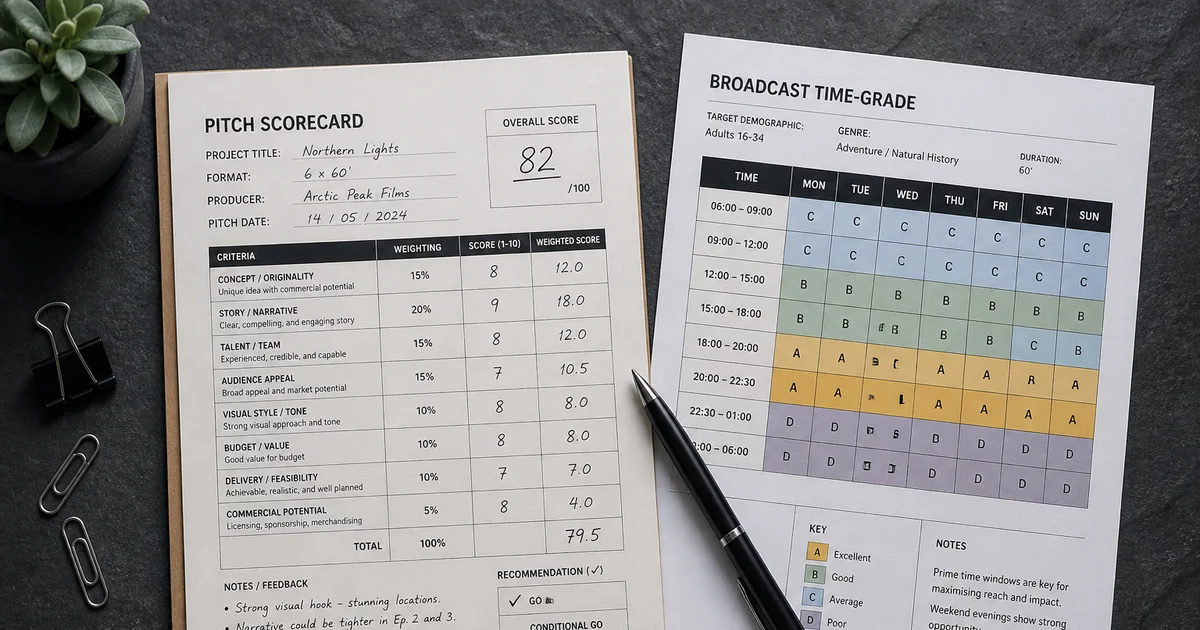
Rep-system fluency. By law, terrestrial airtime in South Korea is not bought from broadcasters directly. KOBACO is the statutory rep for KBS, MBC and EBS; SBS M&C handles SBS; and each of the four general programming cable channels sells through its own affiliated rep. Ask every candidate to map, per broadcast line in their plan, which rep is the counterparty, which time grades (SA, A, B, C) the buy sits in, and what was negotiated against the base rate structure. Ask also which combined-sales attachments of regional or small-station inventory come with the buy. Ask how they would handle the announced move from a positive to a negative list of permitted broadcast ad formats, should that change become law during the contract period. An agency that cannot produce this map is reselling a structure it has not examined.
Independence and group relationships. The largest Korean agencies are house agencies: Cheil Worldwide (Samsung Group), Innocean Worldwide (Hyundai Motor Group), HSAD (LG) and Daehong Communications (Lotte Group) each grew primarily on their parent group’s advertising, and at several of them a majority of domestic business remains group-affiliated. This is documented market structure. Ask every candidate, house agency or independent, where its scale comes from, which group commitments sit alongside your account, how a non-affiliated client’s plans and data are protected, and who on the team is accountable to you rather than to a group relationship. A professional candidate answers these questions in writing.
Platform and measurement fluency. Korean digital runs through a domestic layer that differs meaningfully from other markets. Naver leads search by a wide margin over Google. KakaoTalk is near-universal in messaging. YouTube carries the largest ad reach among video platforms. Coupang’s retail media is growing. Ask candidates how they evaluate Naver and Kakao inventory alongside Google’s, and which figures in their reporting are panel-based, platform-reported or modelled. No cross-platform currency exists in South Korea, so those distinctions matter. Ask whether retail media gets its own reporting line, and what basis any cross-screen television claim rests on, since the TV currency is a single people-meter panel with no integrated cross-device measurement.
Compliance capability. South Korea’s category rules are specific. Broadcast advertising is cleared through industry self-review before airing. Drinks of 17 percent ABV or more may not be advertised on broadcast at all; lighter drinks may not appear on television between 07:00 and 22:00. Designated high-calorie, low-nutrient foods may not be advertised between 17:00 and 19:00 or around children’s programming. Medical institution advertising requires mandatory pre-review. The Fair Trade Commission’s endorsement rules require disclosure of economic ties in influencer and review content, with liability extending to advertisers. Since 22 January 2026, South Korea’s AI Basic Act adds labelling obligations for generative AI content, which reaches advertising creative. PIPA requires opt-in consent for electronic marketing, with fines rising to 10 percent of total revenue in specified cases from September 2026. Ask candidates who owns compliance for your category, and ask for documented examples, including how they handle AI-content labelling in production work.
What the South Korean contract must pin down
A signed contract with a Korean media agency should leave no ambiguity on four points.
The counterparty map. Name, per broadcast line, which rep sells it, which time grades apply, and how combined-sales attachments of regional or small-station inventory are reported and valued. Without this map in the contract, disputes about what was bought and at what effective rate become very difficult to resolve.
Net pricing and benchmarking. State how discounts, bonuses and agency incentives are treated, confirm that audit rights are accepted, and agree that independent benchmarking is permitted. No public net-price pool exists in South Korea, and the government’s advertising spend survey reports market size, not prices. Without audit rights and an agreed benchmarking basis, you are buying on trust alone.
The measurement basis per channel. Name whether each channel’s figures are panel-based, platform-reported or modelled, and state the basis for any cross-screen claim. This matters because the absence of a unified measurement currency means different figures can be presented in ways that appear comparable but are not.
Independence and compliance allocation. Document how your data and media plans are separated from group-affiliated accounts held by the same agency. Assign named responsibility for endorsement disclosure review, AI-content labelling compliance, and clearance of regulated categories. Accountability that is not written down tends not to be exercised.
Understanding the broader South Korean advertising and media landscape helps put these contract provisions in context, particularly for advertisers arriving from markets where broadcaster-direct buying is the norm.
Managing the relationship after appointment
Agree performance yardsticks before the contract is signed. Both parties should be on the same measurement framework from day one, with the counterparty map and measurement bases written into the agreement rather than established later through correspondence.
Review combined-sales attachments at each major buying cycle. Attached inventory can shift between campaigns, and what was agreed in the brief may not reflect what is delivered in the plan. If the announced broadcast deregulation, the proposed move to a negative list of permitted ad formats, becomes law during the contract period, revisit the format rules together and establish which party carries implementation responsibility.
Ongoing reviews should recognise outperformance as readily as they identify shortfalls. That balance is practical, not just fair. An agency that receives only corrective feedback in reviews has less commercial incentive to bring you its best thinking. For advertisers who want a structured approach to ongoing agency oversight, vendor management principles developed for multi-market relationships apply equally well here.
Trust is a sound foundation. Verification makes it stronger.
Running a South Korean pitch with independent support
For advertisers planning a media agency selection in South Korea, Vendor-MGT runs agency selections and pitches independently, on the advertiser’s side. A well-structured process in this market typically runs ten to sixteen weeks from the decision to review to contract signature, with the agency transition adding a further four to eight weeks. Read more about how an independent pitch process is structured, including for South Korea-specific engagements.
Frequently asked questions
What should a media agency contract in South Korea cover? The contract should include a counterparty map naming, per broadcast line, the rep that sells it, the applicable time grades and how combined-sales attachments are reported and valued. It should state the treatment of discounts, bonuses and incentives, confirm audit rights and agree the basis for independent benchmarking. It should name the measurement basis per channel, panel, platform-reported or modelled, and state the basis for any cross-screen claim. It should document independence protections for non-affiliated clients and assign named responsibility for endorsement disclosure, AI-content labelling and clearance of regulated advertising categories.
What should I test South Korean agency candidates on during a pitch? Test candidates on four areas: rep-system fluency, specifically their ability to map each broadcast line to the correct rep, time grade and combined-sales attachments; independence and group relationships, including written disclosure of group commitments and how your data is protected; platform and measurement fluency across South Korea’s domestic digital layer, covering Naver, Kakao, YouTube and Coupang; and compliance capability, including documented experience with broadcast pre-clearance, alcohol and food advertising restrictions, FTC endorsement rules, AI-content labelling under the AI Basic Act and PIPA consent requirements.
Should I use a Korean house agency or an international network? There is no universal answer. House agencies bring scale, deep familiarity with the rep system and long-standing relationships with domestic media owners. International networks bring governance structures and reporting formats familiar to global advertisers. What matters in either case is written disclosure of group commitments, demonstrated fluency with the rep system and the domestic digital layer, and a documented compliance record. A well-designed selection tests exactly these qualities, regardless of which type of agency you ultimately appoint.