 South Korea
In this article
- At a glance: where to start
- Market context
- The media rep system
- Television and audience measurement
- The agency structure
- Digital, social and influencer channels
- Print channels
- Radio and audio channels
- Out-of-home channels
- Regulation and category rules
- Assessing a plan: the right questions
- Finding and managing a media agency
- Frequently asked questions
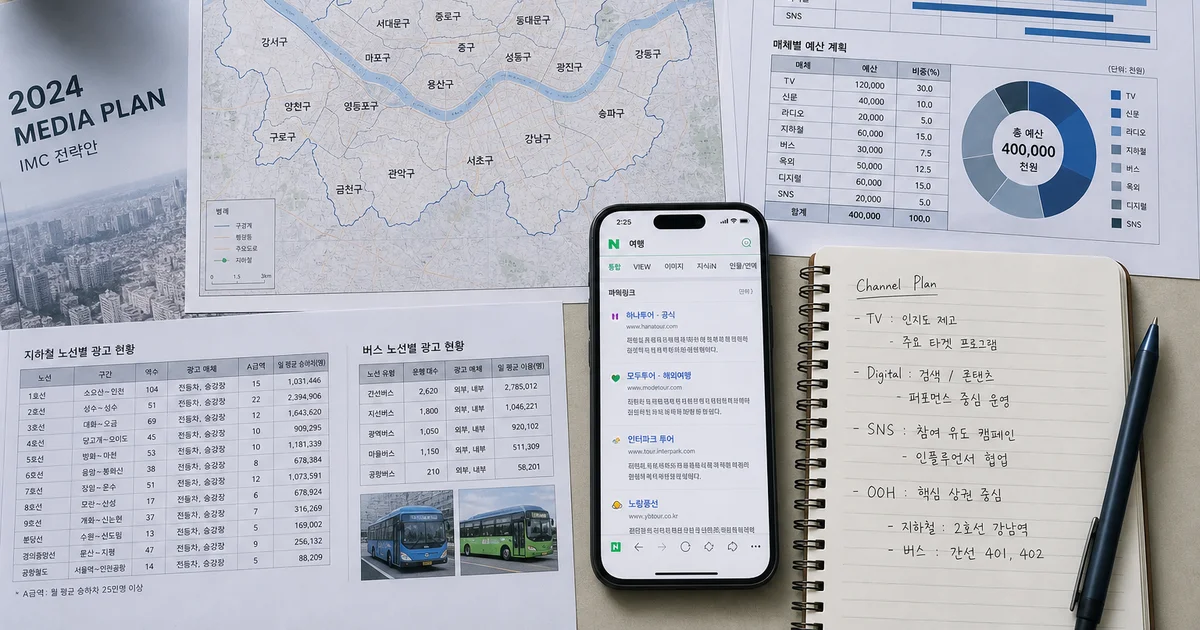
Advertising in South Korea takes place within one of the world’s most connected media environments, and one of its most distinctively organised. Terrestrial broadcast airtime is sold not by the broadcasters themselves but through legally mandated sales agents. The largest advertising agencies are house agencies of the industrial groups whose brands they serve. Search runs through a domestic platform rather than Google. And the regulatory map was redrawn as recently as 2025 and 2026. Understanding how each channel is bought, measured and priced is the foundation of any sound media plan here.
At a glance: where to start
| Your situation | Where to start |
|---|---|
| Building mass reach | Television through the terrestrial networks and jongpyeon channels |
| Reaching daily digital life | Naver, KakaoTalk and the major platforms |
| Understanding who actually sells you airtime | The media rep system section below |
| Understanding who you are hiring | The agency structure section below |
| Entering South Korea from abroad | Agency selection and contract structure |
Market context
South Korea had 50.6 million internet users in October 2025, a penetration rate of 97.9 percent (DataReportal, Digital 2026 South Korea). Unlike most markets, South Korea has a government-backed spend survey: the Broadcasting and Telecommunications Advertising Expenditure Survey, produced by KOBACO and published with the Broadcasting and Media Communications Commission. Per its latest editions, online advertising takes around six in ten advertising won and continues to grow while broadcast declines. The survey reports spend, not net prices, so it sizes the market but does not benchmark what advertisers actually pay. Cheil Worldwide also publishes an annual market review that is widely referenced in the industry.
South Korea’s combination of mandated sales structures, house-agency concentration and a dominant domestic platform layer makes it meaningfully different from other markets in this media landscapes series, and from neighbouring markets such as Japan and China, which have their own structural particularities.
The media rep system
By law, the Act on Sales Agency of Broadcast Advertising, effective May 2012, terrestrial broadcasters in South Korea do not sell their advertising time directly. Sales run through licensed media representatives. KOBACO, the public rep established in 1981, sells airtime for KBS, MBC and EBS. SBS M&C, SBS’s affiliated private rep, sells for SBS. Since 2014–2015, each of the four general programming cable channels, JTBC, TV Chosun, Channel A and MBN, must also sell through its own affiliated media rep.
The law additionally obliges reps to combine airtime of regional and small broadcasters with network sales, a duty the Constitutional Court upheld in February 2026. In practice, a network buy can carry attached regional inventory. A government proposal under discussion would allow broadcast reps to also sell online and mobile inventory; this remains a proposal, not law.
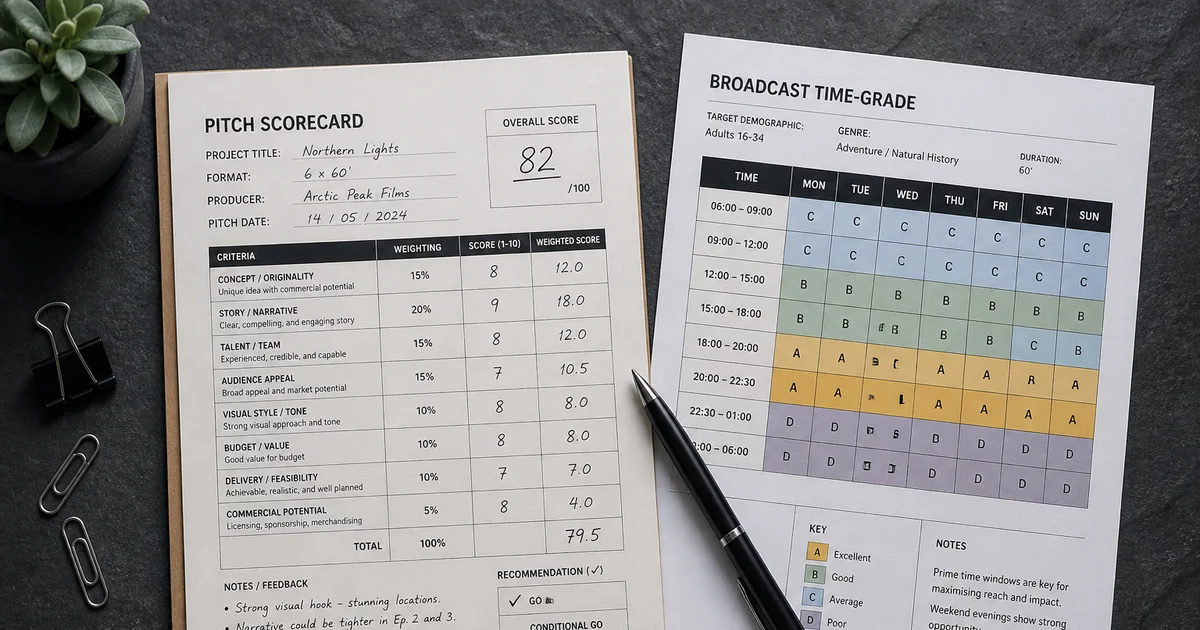
For advertisers, the counterparty for terrestrial airtime is a rep, not the broadcaster. Rate structures are organised by time grade (SA, A, B and C), pricing has become more negotiable since private rep competition arrived, and combined-sales attachments belong on the checklist of any buy.
Television and audience measurement
Television remains the mass-reach anchor of the South Korean media plan. Terrestrial channels, KBS2, MBC, SBS and EBS carrying advertising, sit alongside the four jongpyeon channels and pay channels such as CJ ENM’s tvN, distributed over cable, satellite and the three IPTV platforms (KT, SK Broadband, LG U+). Note that KBS1 is licence-fee funded and carries no commercial advertising.
Clearance of broadcast advertising now runs through industry self-review bodies before airing, following the constitutional ruling of June 2008 that ended state pre-review. The Korea Communications Standards Commission retains post-airing powers. Note also that the base unit of terrestrial rate cards is the 15-second spot: programme advertising is sold in a fixed menu of 15, 20 or 30 seconds, priced from the 15-second base. Cross-market price comparisons need to correct for that basis. Measurement is provided by Nielsen Korea via a people-meter panel of approximately 4,220 households (as of 2020). No integrated fixed-plus-mobile viewing currency has been adopted, so any cross-screen audience claims in a plan require a clearly stated measurement basis.
In October 2025 the government announced a Broadcasting Act amendment that would replace the positive list of permitted broadcast ad types with a negative system and ease rules on virtual, indirect and mid-programme advertising. At the time of writing this remains an announced reform. Plans spanning its adoption should note which rules apply at each stage.
The agency structure
The South Korean agency market is shaped by chaebol-affiliated house agencies. Cheil Worldwide (Samsung Group), Innocean Worldwide (Hyundai Motor Group), HSAD (LG) and Daehong Communications (Lotte Group) grew primarily on their parent groups’ advertising, and at several of them a majority of domestic billings remains group-affiliated. International networks operate alongside them.
The practical consequence for an advertiser selecting a partner: a large share of the market’s biggest billings never goes to pitch. The independent talent pool concentrates differently than in markets without house agencies. A selection process should therefore establish where a candidate’s scale comes from and what that means for the attention a non-affiliated client receives.
Digital, social and influencer channels
South Korea’s digital ecosystem is structured around domestic platforms. In digital, advertising in South Korea runs first through Naver, which leads search by a wide margin over Google and operates its own full advertising ecosystem, and KakaoTalk, which is near-universal as the national messaging platform with its own ad products.
YouTube carries the largest ad reach among video and social platforms. Instagram is substantial. TikTok is smaller here than in Southeast Asian markets such as Vietnam or Thailand. Coupang operates Coupang Ads, a growing retail media business with full-funnel formats and a certified agency partner programme.
There is no independent cross-platform digital currency. Buyers rely on commercial panels and platform-reported metrics, so the distinction between measured, platform-reported and modelled reach must be established per platform. Since 22 January 2026, the AI Basic Act adds labelling obligations for generative AI content, obligations that reach advertising creative directly.
Print channels
Chosun Ilbo, JoongAng Ilbo and Dong-A Ilbo are the major national dailies, and print spend is in steady decline. A fact particular to this market: since July 2021 the government ended policy use of the Korea ABC Association’s circulation audits following a reliability affair, and no government-recognised circulation audit currency has been restored. Print audience claims therefore require a stated source and date before they can responsibly enter a media plan.
Radio and audio channels
Radio represents a small share of total advertising spend and is sold through the same rep system that governs television: KOBACO for KBS, MBC and EBS stations; SBS M&C for SBS; with regional and religious stations allocated between the reps under the statutory combined-sales designation.
Out-of-home channels
Outdoor advertising in South Korea is regulated nationally, with designated free display zones where rules on shape, size and installation are relaxed. The COEX area in Gangnam was designated in 2016 and is home to the district’s large digital screens. Since December 2023, Myeongdong, Gwanghwamun Square and Haeundae Beach in Busan have been added, with build-outs phased over the coming years. Digital OOH drives the channel’s growth. There is no standardised OOH audience measurement currency, so delivery claims are operator-reported, a verification point in any plan.
Regulation and category rules
Several category restrictions are precise and consequential. Drinks of 17 percent ABV or more may not be advertised on broadcast at all. Lower-strength alcohol may not appear on television between 07:00 and 22:00. Tobacco advertising is banned outright.
Medical institution advertising requires mandatory pre-review by self-regulatory medical association bodies (reinstated September 2018); medical device ads require private self-review; general pharmaceutical ads require association pre-approval. Ads for designated high-calorie, low-nutrient foods may not air between 17:00 and 19:00 or around children’s programming, and free-toy promotions with children’s food products are banned.
The Fair Trade Commission’s endorsement and review guidelines (effective September 2020, tightened December 2024) require clear disclosure of economic ties between endorsers and advertisers, with liability attaching to both parties. On privacy, PIPA is enforced by the Personal Information Protection Commission and was amended in 2023 with fines of up to 3 percent of total revenue. A March 2026 amendment raises that ceiling to 10 percent in specified cases and takes effect in September 2026. Electronic marketing requires opt-in consent, and cookies and logs can qualify as personal information.
This article provides orientation, not legal advice. Rules change, and local legal verification is required before any campaign goes live.
Assessing a plan: the right questions
Before approving a South Korean media plan, press on the following points. Which rep sells each piece of broadcast inventory, and what combined-sales attachments come with it? Which time grades does the buy sit in, and what was negotiated against the base rate structure? What basis do cross-screen TV claims rest on, given one panel currency and no integrated measurement?
Are digital figures panel-based, platform-reported or modelled, and how is Naver and Kakao inventory evaluated alongside Google’s? Do print audience claims carry a source and date, given the absence of an audited circulation currency? Does any generative AI content in the plan meet the labelling obligation in force since January 2026? And if your agency is a house agency, how are its group commitments and your plan’s independence managed?
Finding and managing a media agency
Selecting the right partner is the structural decision that shapes everything downstream. In South Korea that decision carries a specific question: the largest agencies belong to industrial groups, so the selection must establish where a candidate’s scale comes from and how a non-affiliated client’s interests are protected. For the full selection process and evaluation criteria, see How do you select and manage a media agency in South Korea?
Frequently asked questions
Who sells television advertising in South Korea? Not the broadcasters. By law since 2012, sales run through licensed media representatives: KOBACO for KBS, MBC and EBS; SBS M&C for SBS; and affiliated reps for each of the four jongpyeon general programming channels. The law also obliges reps to attach regional broadcaster inventory to network sales, so a network buy can carry combined-sales commitments.
Who measures TV audiences in South Korea? Nielsen Korea provides the standard currency via a people-meter panel of approximately 4,220 households, as of 2020. No integrated cross-device currency has been adopted, so cross-screen audience claims require a clearly stated measurement basis. Broadcast advertising is cleared through industry self-review bodies before airing; the Korea Communications Standards Commission holds post-airing regulatory powers.
What are the biggest advertising platforms in South Korea? Online advertising takes around six in ten advertising won per the KOBACO survey. Naver leads search, KakaoTalk is near-universal in messaging, and YouTube has the largest ad reach among video and social platforms. Coupang’s retail media business is growing. Television remains the primary mass-reach channel for brand campaigns.
What advertising rules should I know about before planning in South Korea? Key restrictions include: a full broadcast ban on drinks of 17 percent ABV or above; a 07:00–22:00 broadcast window for lighter alcohol; a complete tobacco advertising ban; mandatory pre-review for medical institution advertising; children’s food advertising windows; FTC endorsement disclosure requirements tightened in December 2024; PIPA privacy fines rising to 10 percent in specified cases from September 2026; and AI content labelling obligations in force since January 2026. Verify all rules locally before a campaign goes live.
Agree the measurement yardstick before the plan is approved, in the currency of this market, and know who sells the inventory and who owns your agency. Advertising in South Korea rewards advertisers who ask exact questions early: the combination of legally mandated sales agents, house-agency concentration, a dominant domestic platform layer and precise category rules leaves little room for assumptions. Trust is good; verifying is better. Vendor-MGT works with advertisers in South Korea on agency selection, media audits and ongoing vendor management, independently, on the advertiser’s side. Contact us to discuss your situation.