In this article
The most important answer is this: negotiate the media terms and conditions first, the contract framework second, and the headline fee last. Most advertisers arrive at this conversation wanting to push the percentage down. That is the least consequential number in the agreement.
If you are preparing a commercial negotiation with a shortlisted agency, the instinct to focus on the fee percentage is understandable. It is visible, it is comparable across proposals, and shaving half a point off feels like a clear win. In practice, however, media agency fee negotiation that centres on the rate before the underlying terms are settled means negotiating the small number while the large one goes unexamined.
Why the headline fee is not the most important number
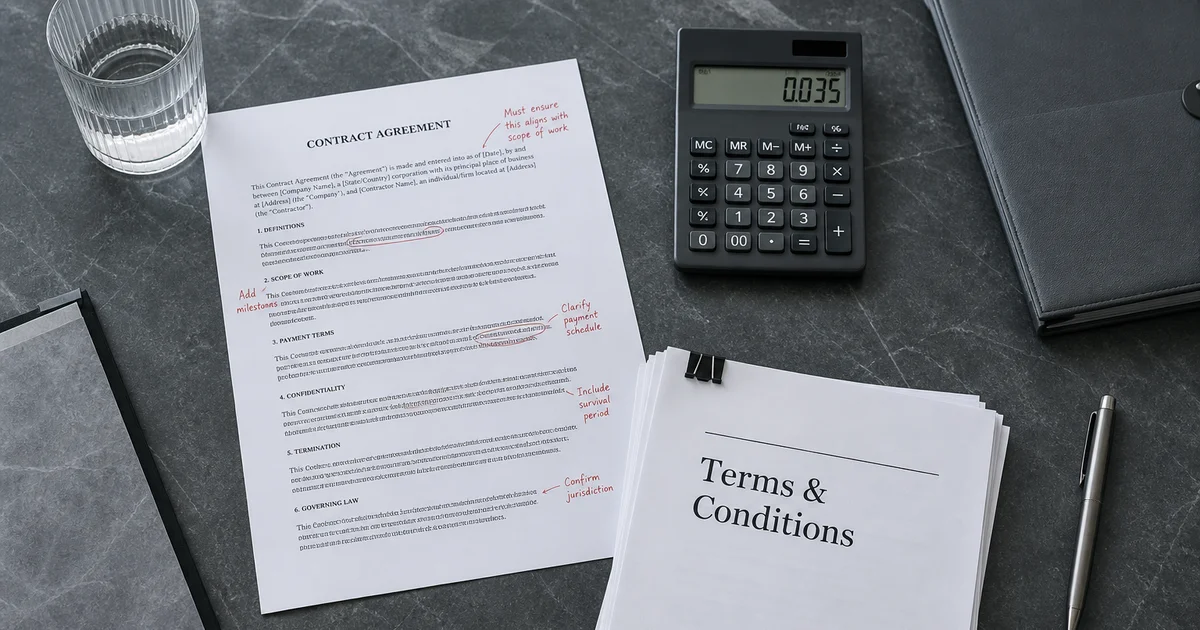
An agency fee, whether structured as a percentage of media investment or as an FTE-based retainer, typically represents a few percentage points of total spend. The media terms and conditions, the rates, definitions, audit rights and transparency provisions that govern how the remaining 95 to 97 percent of the budget is deployed, represent everything else.
Winning a quarter of a percentage point on the fee while leaving the terms and conditions vague is a poor trade. And the leverage to tighten those terms exists only while agencies are still competing. After appointment, the dynamic shifts. A well-run media agency selection process creates the conditions for this leverage; once a winner is announced, much of it is gone.
Understanding how different agency fee models work, commission, FTE, output-based or hybrid, is a prerequisite before any commercial discussion begins. Model choice shapes what is actually negotiable in each subsequent step.
What to negotiate first: media terms and conditions
The media terms and conditions are where the real commercial substance sits. In our experience, this is also the element most frequently reduced to a brief exchange of standard schedules rather than a genuine negotiation.
What belongs in this conversation:
- Rate specificity. Rates should be precise enough to verify against actual invoices later. Broad category definitions make post-campaign reconciliation difficult.
- Transparency provisions. Disclosure of rebates, volume deals and principal-based trading arrangements should be explicit, not implied. An advertiser who trades these provisions away to win a lower fee percentage has exchanged the large number for the small one.
- Audit rights. The right to commission an independent review of media buying activity should be written into the terms before the contract is signed. For an agency that operates transparently, this provision costs nothing to grant - which is exactly why serious agencies can grant this.
- Quality definitions. Better conditions on the same quality of delivery, not cheaper delivery at reduced quality. The distinction matters and should be documented.
These provisions also inform the broader question of media transparency and governance, which becomes the ongoing framework for the relationship after appointment.
Then the contract framework as a whole
Once the media terms and conditions are substantively agreed, the broader contract framework takes shape around them. What a media agency contract should include covers the full scope of this. The point here is sequencing.
The fee is negotiated within a contract framework that is already settled, not the other way round. This matters because individual commercial elements interact. A fee percentage means something different depending on what is included in scope, how performance obligations are defined, and what remedies apply if they are not met. Agreeing the framework first means the fee discussion takes place with full commercial clarity on both sides.
Scope creep, notice periods, ownership of data and intellectual property, and performance benchmarks all belong in this layer. By the time the fee itself is on the table, both parties should be negotiating a single remaining variable within an otherwise complete agreement.
The fee as the final item, and deliberately so
Placing the fee last is not a negotiating trick. It is a ranking of importance. When the terms and conditions are tight and the contract framework is sound, the fee is genuinely the smallest remaining variable. That reframing often produces a better outcome than leading with it.
A fair fee that leaves the agency content is worth more over a multi-year relationship than the last half percentage point. An advertiser is better served by a partner that begins the relationship feeling appropriately remunerated than by one that starts feeling squeezed: understaffed on the account, looking for margin elsewhere, or simply less motivated to go beyond the brief. This is not sentiment. It is commercial logic.
There is also a practical limit to how far the fee can move. In our experience, a well-qualified agency will hold its position on fee if it has already made concessions on terms, as it should. An advertiser who has negotiated strong transparency provisions and robust audit rights has already secured more commercial value than any fee reduction is likely to deliver.
For a fuller view of what the commercial outcome of a selection process should look like across all these components, media agency fees and outcomes: what a selection should return sets out the complete picture.
The practical order, in one line
Negotiate media terms and conditions first, the contract framework second, the fee last.
This sequence reflects where the money actually sits, where leverage is available, and where a sustainable commercial relationship begins. It also makes the fee negotiation itself more productive: by the time you reach it, both parties understand the full value of what has been agreed.
For context on what comparable engagements cost and what they return, what a media agency selection costs provides useful reference points for calibrating the overall investment.
Frequently asked questions
Should you always negotiate the agency fee down as far as possible? No. The fee is a small share of the total media investment, and squeezing it too hard creates real costs: reduced staffing on the account, diminished motivation and an agency that looks for margin elsewhere. Transparency provisions and strong media terms are worth considerably more than the last quarter of a percentage point on the fee. The meaningful negotiation sits in the media terms and conditions, not the headline rate.
How do you negotiate a lower fee without damaging the relationship? Sequence matters. If the terms and conditions are agreed first and the contract framework is settled, the fee discussion is a single variable within a complete picture. In that context, a request for a modest adjustment is reasonable and unlikely to damage goodwill. Leading with the fee before anything else is resolved signals that the rate is the priority, which can undermine the broader negotiation from the start.