



In this article
A media audit is a structured, independent examination of a defined period of advertising activity. It lays what was planned, delivered and invoiced against an external benchmark, and it follows the evidence line by line: individual flights, campaigns, rates and conditions. The outcome is factual. Either there is a straightforward explanation for what was found, or there are findings. Both results have value. Knowing where everything holds is as useful as knowing where it does not.
You are likely reading this because something in the reporting does not quite add up, and it has happened more than once. The numbers cannot be checked from the inside, and there is no reliable way to know whether what is being delivered is normal for the market. A media audit turns that discomfort into something factual. Equally, you may simply want to demonstrate, to yourself or to your stakeholders, that the money was spent as it should have been. Proof that things are in order is as legitimate a starting point as unease that they may not be.
Two hesitations are worth addressing directly. First: does examining the relationship damage it? Independent examination is normal wherever large sums are spent. An agency delivering what it agreed loses nothing by that being visible. Second: what if nothing turns up? Then that is the outcome, and it is worth having. An examination that could only ever confirm that everything is fine would be worth nothing. A result of no findings is a genuinely useful one.
There is also an internal hesitation that rarely gets voiced: local teams responsible for the spend can feel that findings reflect on them. They do not. The examination is about the money and the delivery, not about the people who managed it. Its purpose is improving mileage, not attributing blame.
Where to start: which area is most pressing
Not every advertiser comes to a media audit with the same question. The table below maps the most common starting points to the area each one leads to.
| Starting point | The area to examine first |
|---|---|
| Rates and terms differ from what was agreed | Contract compliance |
| Not sure how often a review is even necessary | Audit frequency |
| Wondering whether performance or money is the issue | Financial vs performance scope |
| Unsure how an audit differs from ongoing management | Audit vs vendor management |
| Need to understand what a review would involve and cost | Scope and pricing |
Contract compliance
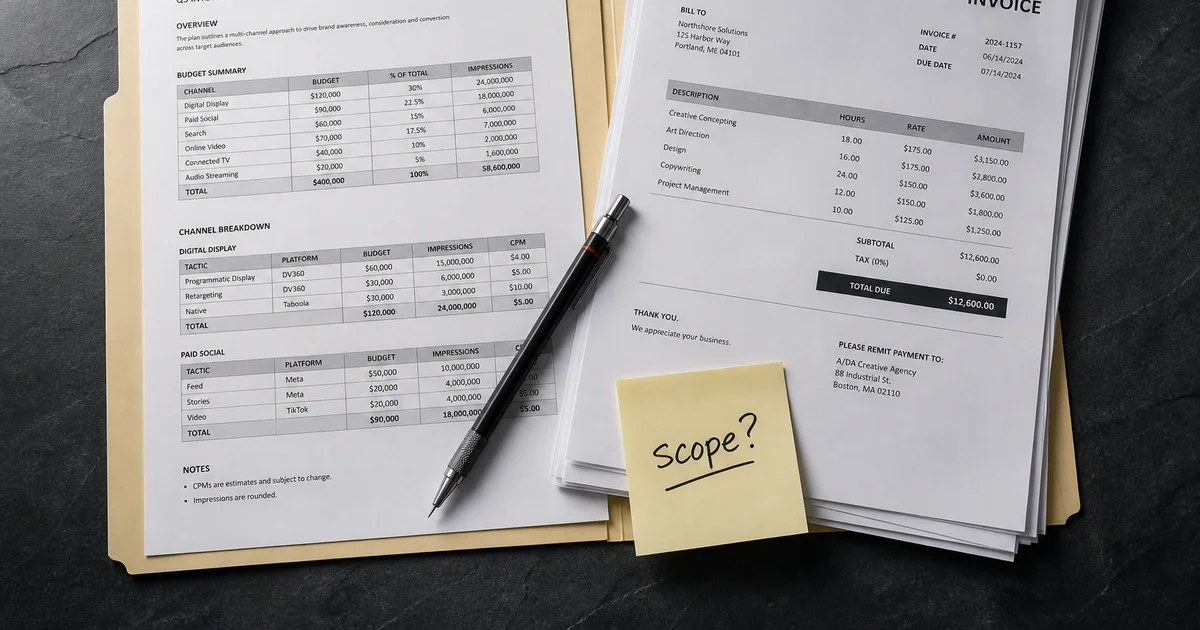
When an agency commitment is written into a contract or appended as a pitch promise, the question at some point becomes: is it actually being honoured? Rates and conditions, transparency provisions, team continuity, reporting obligations, each can be tested against what was planned, delivered and invoiced. Where a provision cannot be tested because the information simply does not exist, that absence is a finding in itself. A commitment that cannot be verified cannot be enforced. Read more about what a contract examination covers in Is your agency delivering what you signed?
Audit frequency
There is no single correct answer to how often a media audit should take place, because the right rhythm depends on what oversight is already in place across the year. An advertiser with no continuous checks in place has a different answer from one whose delivery is already being tracked against the agreement month to month. How often should you audit your media? works through the occasions that naturally prompt a review and why a rhythm, rather than a fixed calendar interval, is the more honest recommendation.
Scope: financial or performance
Whether the money was spent as agreed is a different investigation from whether the media delivered what it should have. Choosing the wrong scope means answering a question you were not actually asking. Which one is right depends on the specific question that prompted the review in the first place. The data, benchmarks and methodology that follow are genuinely different in each case. Financial or performance audit: which question are you asking? explains the distinction and how to decide.
Audit versus ongoing management
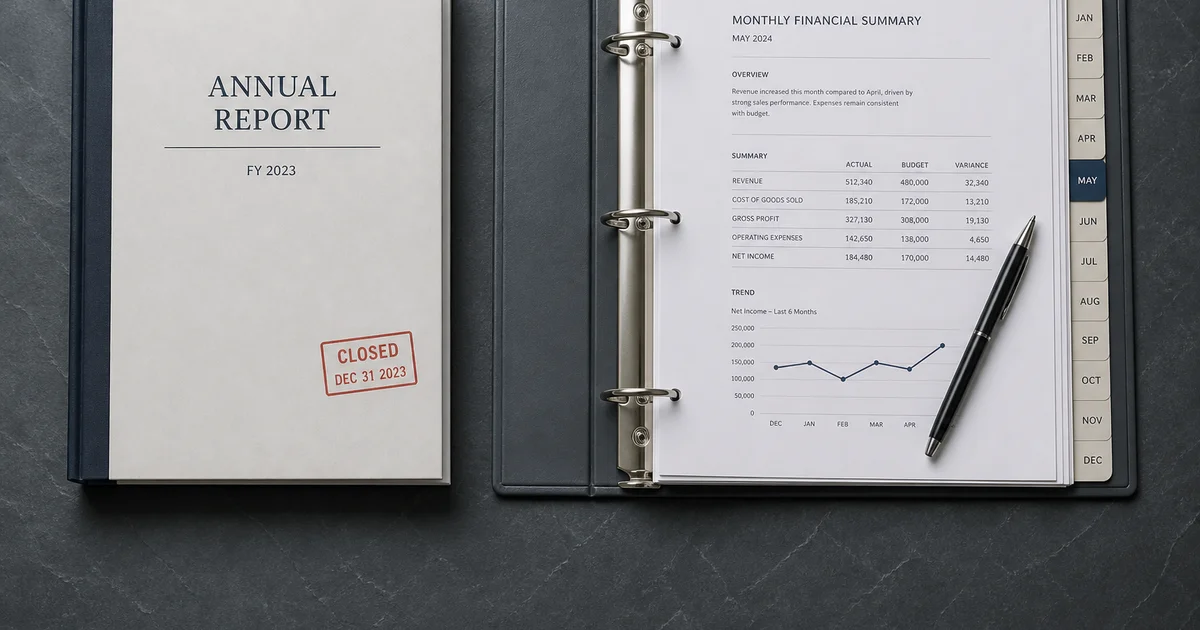
A media audit examines a defined period in depth and tells you what happened. Vendor management applies comparable scrutiny at every relevant moment across the year, close enough to the decision that there is still something to steer. What a yearly examination catches and what a continuous one catches are genuinely different things. Understanding that boundary matters before you decide which is right for your situation. The full argument is in What is the difference between a media audit and vendor management?
Scope and pricing
What can drive the scope, and therefore the price, is the combination of period examined, number of markets, number of brands, media mix, number of campaigns and whether the question is financial, performance or both. Each brand carries its own objectives, audiences and plans, so each adds to the work. A paid scan sits at a different point: broad rather than deep, returning probabilities and a shared benchmark rather than traceable findings, and credited in full if you proceed to a full audit. For a full picture of how scope is set and how pricing is structured, see What does a media audit cost?
If you are evaluating your agency relationship more broadly, including whether the right partner is in place at all, the media landscapes section covers how advertising markets are structured across regions, which is relevant context when assessing whether local delivery is in line with local norms.
Frequently asked questions
What is a media audit? A media audit is an independent, structured examination of a defined period of advertising activity. It works through individual campaigns, flights, rates and conditions, laying what was planned, delivered and invoiced against an external benchmark. The result is factual: either there is a straightforward explanation for what was observed, or there are findings that need to be addressed.
How do I know whether my media agency is doing a good job? From the inside, you largely cannot, because the reporting you receive is produced by the party being assessed. That is a structural fact rather than an accusation. What makes the question answerable is an external reference: what was planned, what was delivered, what was invoiced, laid against a benchmark that neither party controls.
Is a media audit the same as a social media audit? No. A social media audit typically reviews owned channels: profiles, content performance and follower data. A media audit examines paid advertising activity, the campaigns placed by a media agency on your behalf, the rates agreed, the conditions honoured and the delivery against plan.
What triggers a media audit? The most common trigger is a feeling that the reporting does not add up. Numbers that cannot be checked from the inside, or performance that seems inconsistent with the budget spent. Other triggers include a contract renewal, a change in agency, pressure from stakeholders to demonstrate accountability, or simply a desire to establish a benchmark before the next planning cycle.
Who commissions a media audit? It is always commissioned by the advertiser, not the agency. The scope is set by the advertiser, and the examination is conducted by an independent party with no stake in the media buying itself. That independence is what makes the findings credible to all parties.
A media audit is a tool for clarity, not confrontation. Whether the outcome confirms that everything is in order or surfaces something that needs addressing, both results move you forward. If you are ready to discuss what a review would involve for your situation, contact Vendor-MGT to explore the right scope.